I had to do a double take when I learned about changes that Washington state is proposing to make to the Science standards, which were just the Next Generation Science Standards (NGSS) because each and every new standard is something I’ve been doing with my students for years! I used ChatGPT to help me go through the different parts of my curriculum, mostly the parts I made myself, and to align them to the new proposed standards. In true Human-AI-Human (H-AI-H) fashion, as I teach my students, I started with the plan to show how what I do aligns to the new proposed standards, had a back and forth with ChatGPT to help me organize my thoughts and my curricula, and write me a draft post.
This is the most I have used AI to write a post here because when I ended with the human, to read through the draft and make it my own, it had a lot that I kept. For example, the title of this post was written by ChatGPT and it’s perfect. What follows is what ChatGPT wrote with my edits and additions and is all accurate and true. I added all the links myself and aside from the few images I had ChatGPT generated, the photos are actual photos I took and am able to share while keeping my students safe.
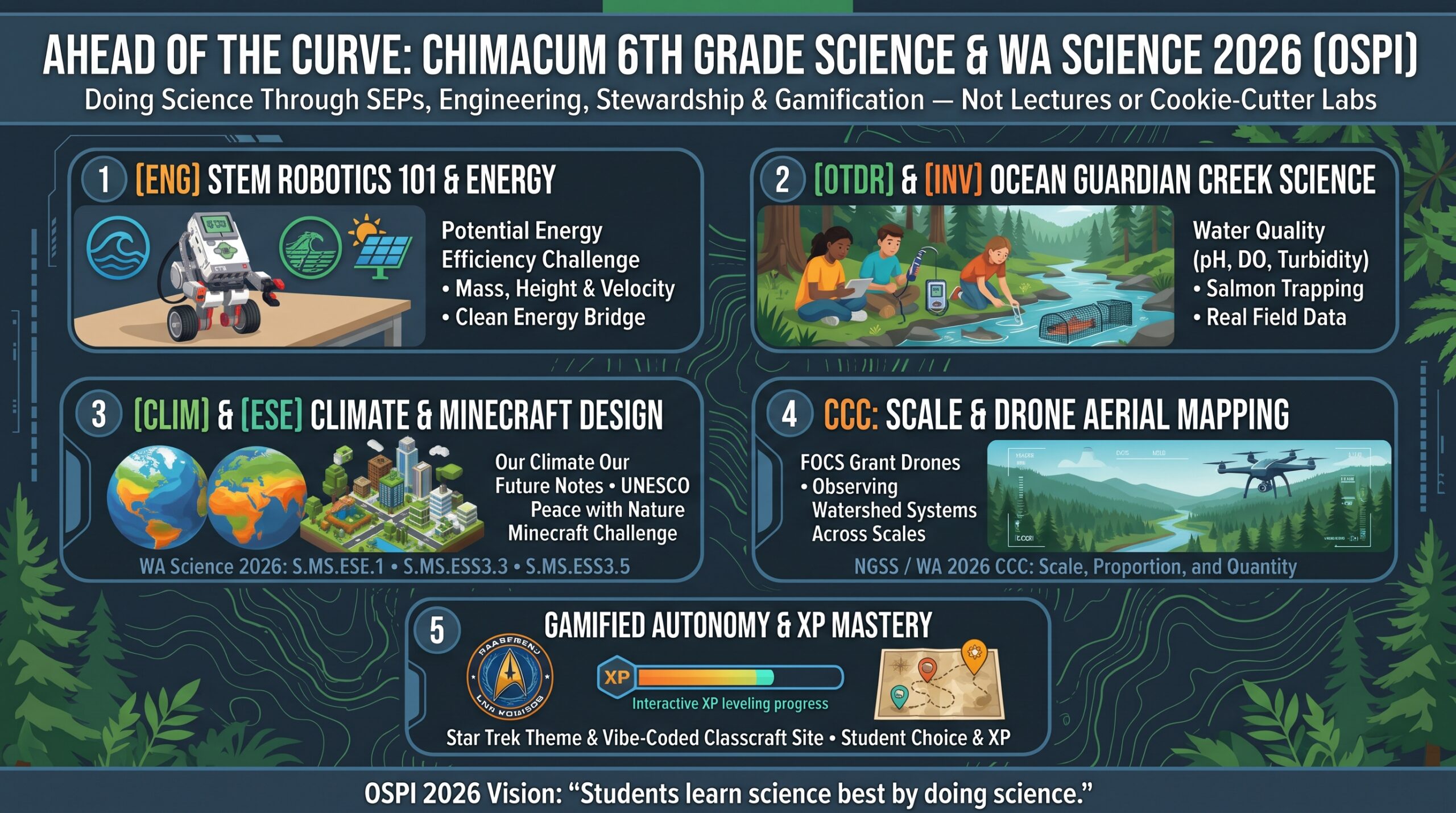
Why Washington’s science updates feel familiar in my sixth-grade classroom.
When former students come back to visit, they remember going to the creek. They remember testing the water, working with robots, and the games and stories that were part of our classroom. Those experiences stayed with them. As I read Washington’s 2026 initial-adoption updates to the science standards at the WSTA26 (Washington Science Teachers Association) conference, I keep thinking about those conversations.
OSPI is making several learning experiences more explicit: student-led investigations, student-led engineering design, science outdoors, climate learning, and environmental and sustainability education. I recognize those priorities in the program I have been building in Chimacum for the past 30 years. The updates give me clearer language for explaining why this work deserves time in our school day.
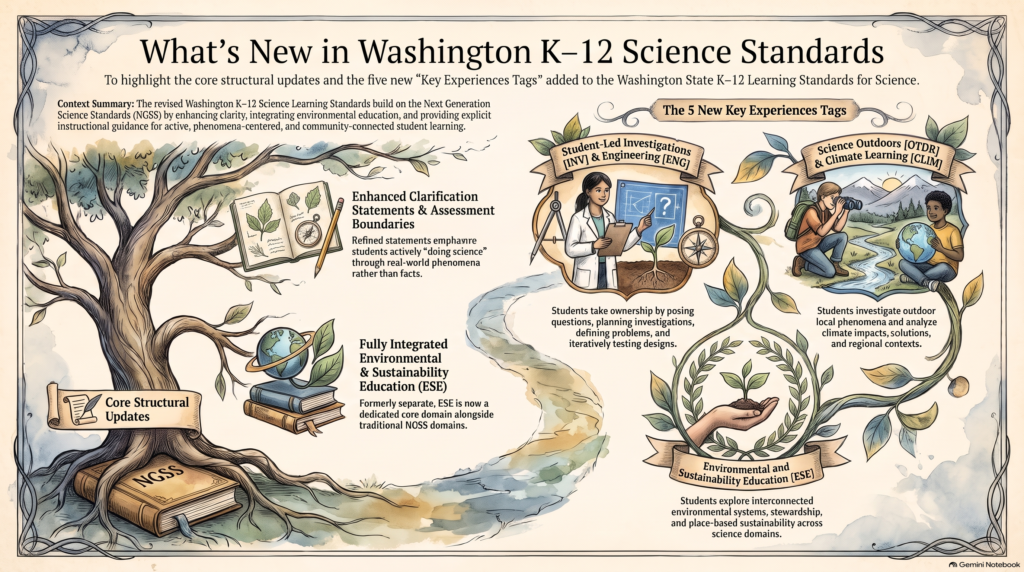
There have been times when I felt pressure to do less of this work and focus more on disciplinary core ideas, or DCIs, and covering more standards, especially since our science standards encompass 6th, 7th, and 8th grade. I want my students to learn the science, too. My approach has been to give those ideas a purpose. Students need science ideas to explain what they observe, make design decisions, and understand problems that affect their community.
That is the connection I see in OSPI’s emphasis on students who “engage in the practices of science and engineering rather than mainly memorizing scientific facts.” The NGSS already connects science and engineering practices, disciplinary core ideas, and crosscutting concepts. The practices describe what students do. The core ideas provide the science they use. The crosscutting concepts help them connect their thinking across different situations, different Science disciplines, and different content areas.
Student-Led Engineering Design [ENG]
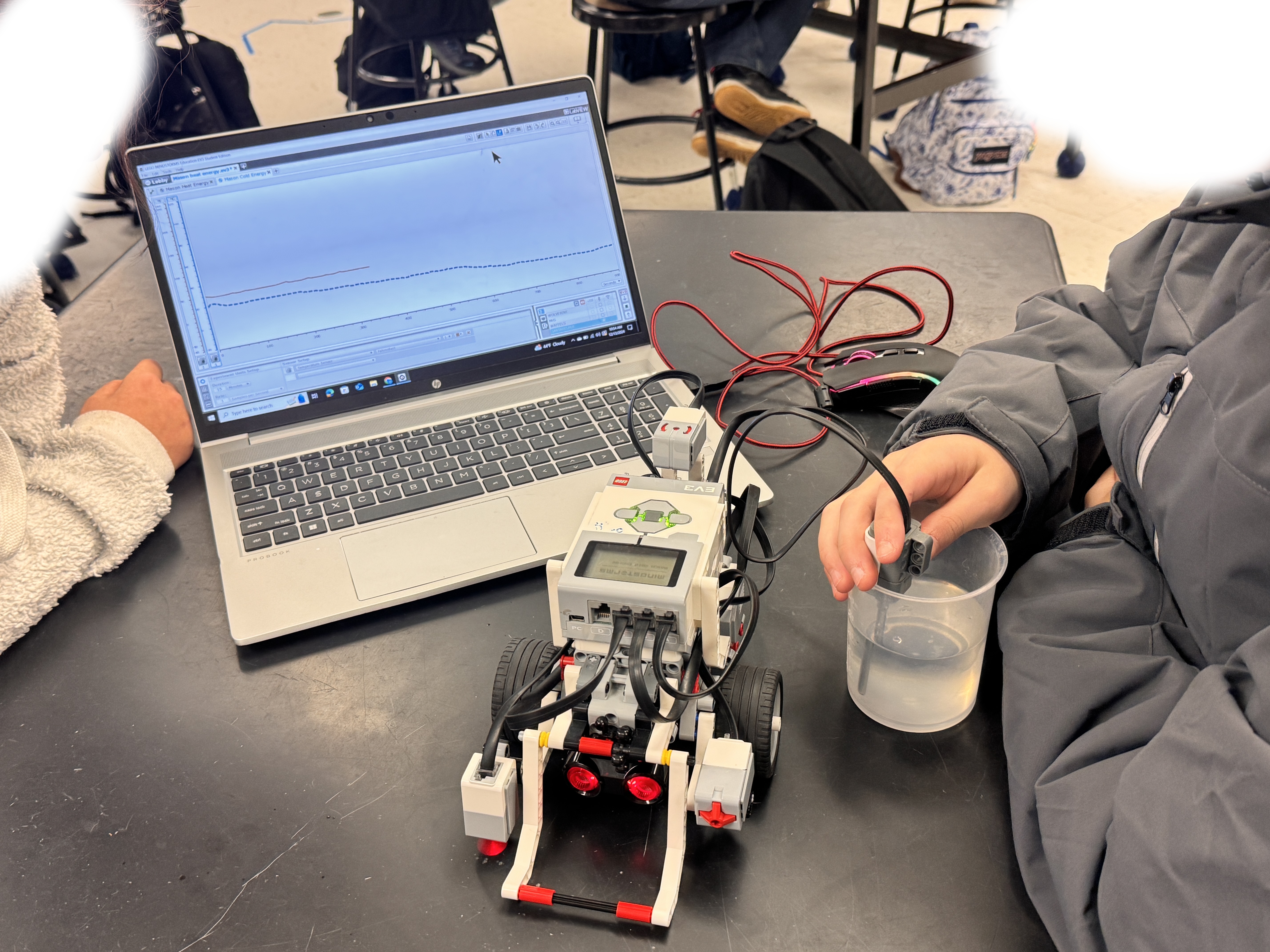
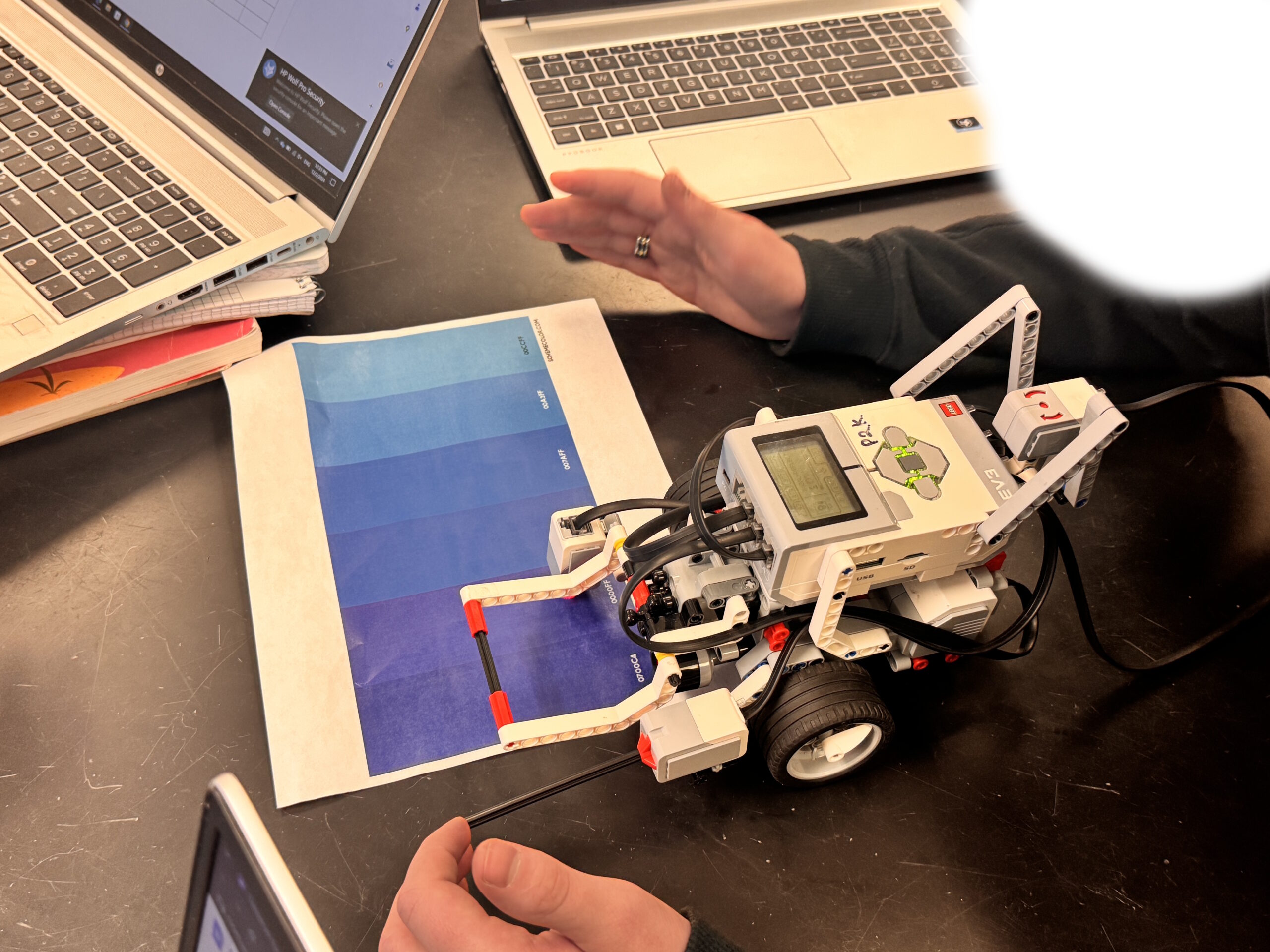
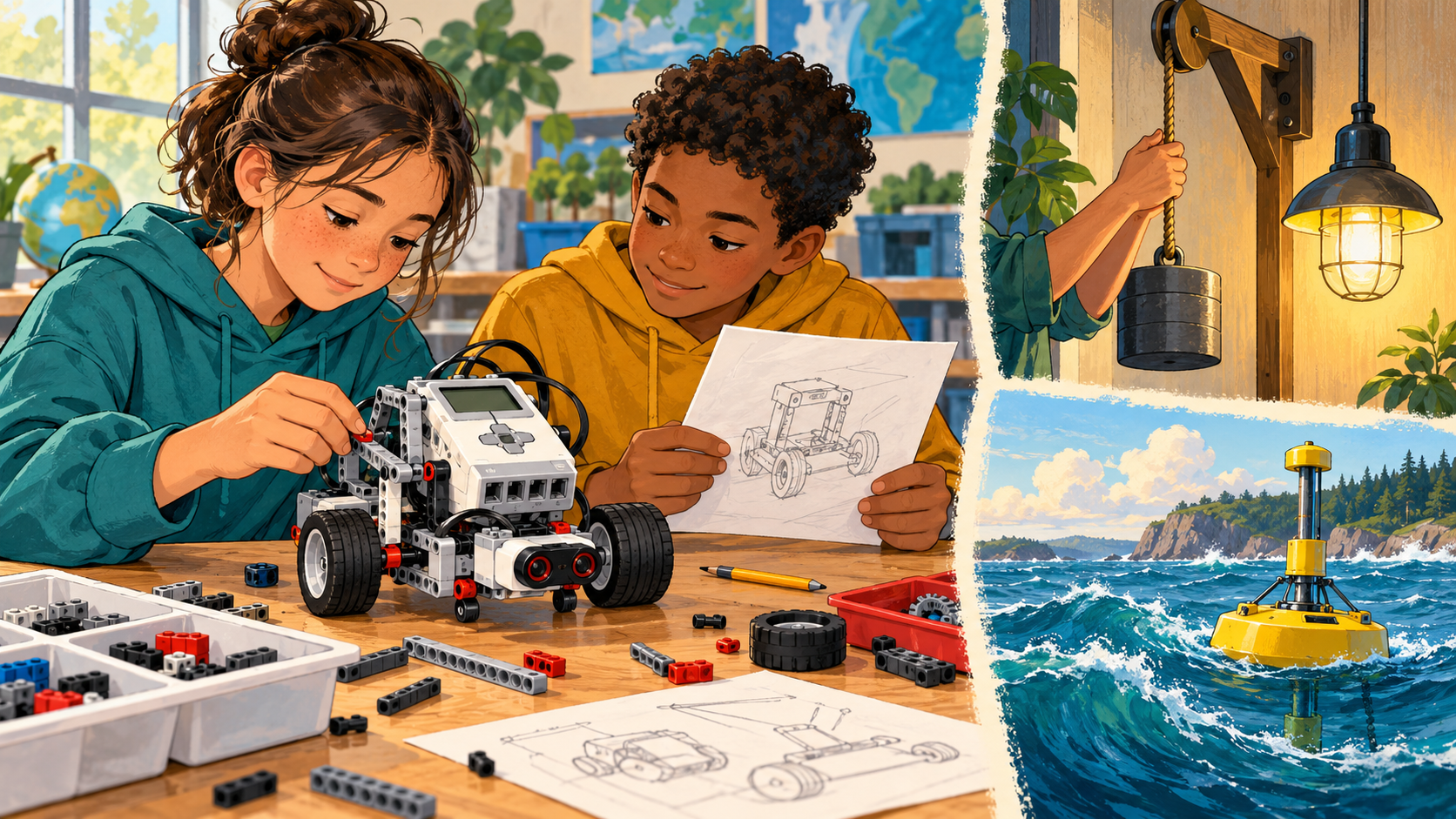
In STEM Robotics 101, our Potential Energy Efficiency Design challenge brings those dimensions together. Teams design a robot to perform a job using the lowest effective motor-power setting they can achieve, in other words, have their robot complete its job using the least possible energy. They think about potential and kinetic energy, gravity, height, mass, and motion as they decide how their robot will work.
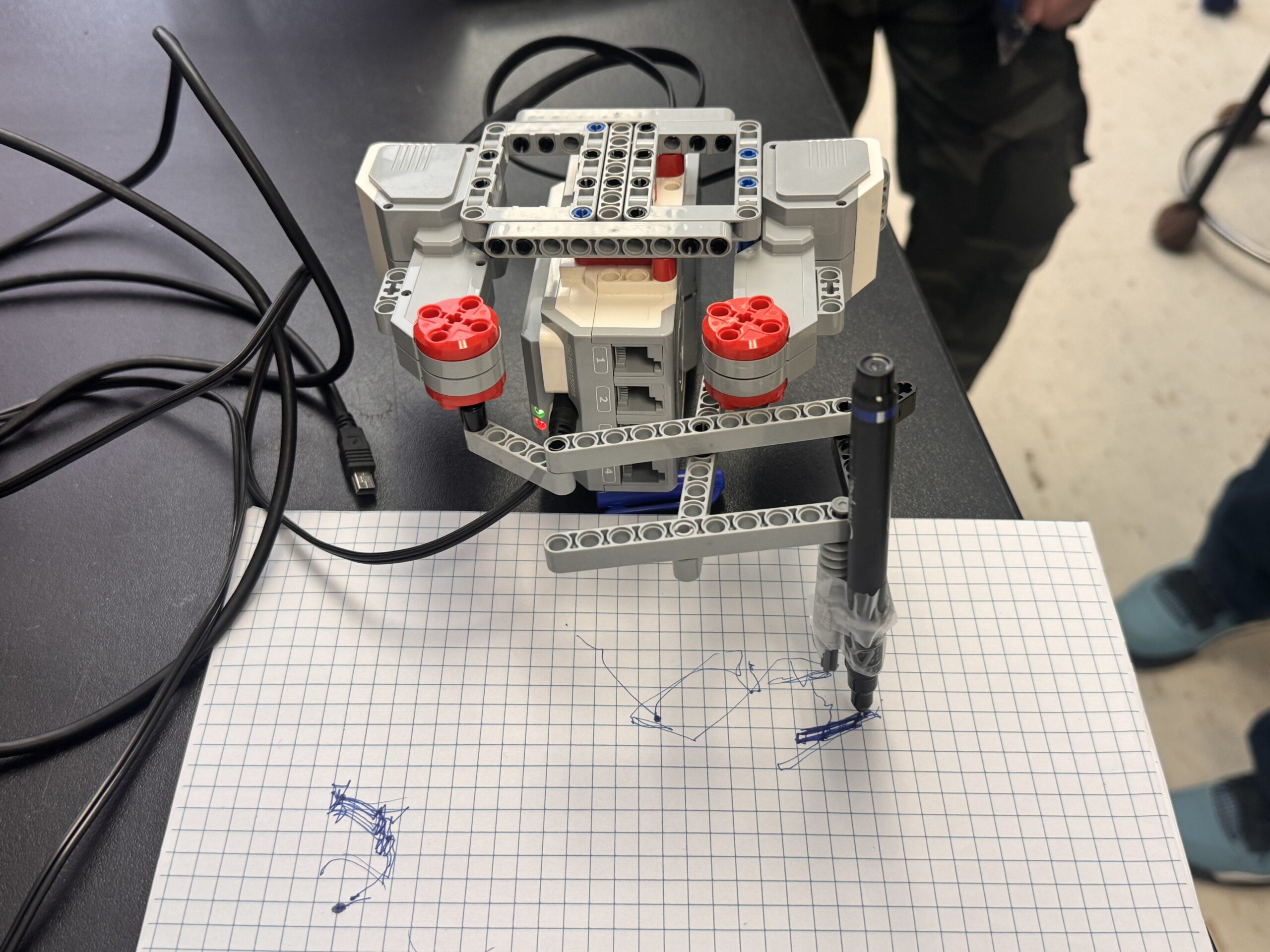
Their engineering process log (Claude updated process log) asks them to draw and label a prototype, explain their choices, test the design, identify strengths and weaknesses, and make changes. They record measurements and graph performance. The rubric includes their application of science ideas as well as design, efficiency, and teamwork. Scientific thinking is part of getting the robot to do its job. This is where OSPI’s emphasis on testing and improving student-designed solutions becomes very concrete.
The energy ideas continue beyond robotics. I share examples of technologies that offer different ways to power our lives or reduce energy use. GravityLight is a particularly direct connection: someone lifts a weight attached to the device, and its descent drives a generator that powers a light. Gravity powers the light! The Soccket Ball, a great idea that sadly failed, harnessed the power of motion from kicking a soccer ball to store it as electricity! Wave-energy devices connect the motion of water with electricity generation. Other examples in my resource collection invite us to think about lighting, buildings, and reusing materials in addition to the traditional alternative energy sources such as solar, wind, and geothermal power.
Science Outdoors [OTDR] and Student-Led Investigations [INV]
These examples help connect physical science with the energy choices people make. We can ask where the energy comes from, how it moves through a system, and what useful work it does. Those questions also give us a foundation for considering environmental impacts. This connection fits the updated environmental and sustainability emphasis on energy choices, community needs, and possible solutions.
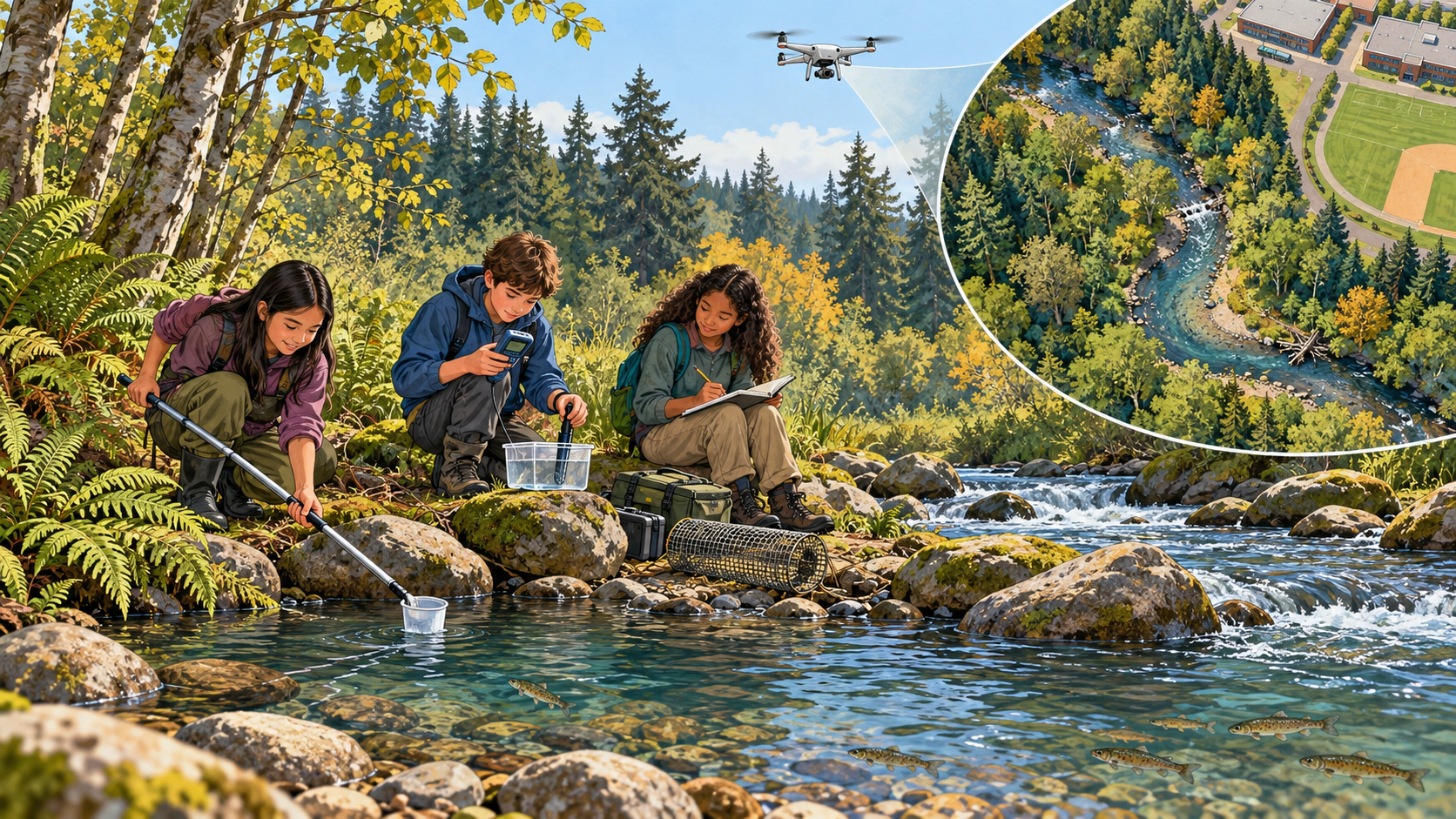
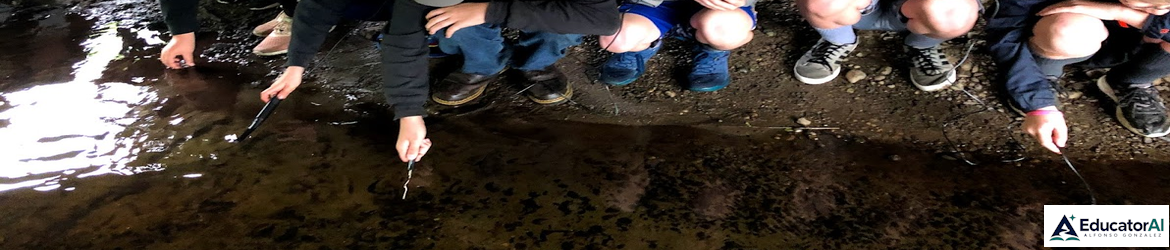
Our Ocean Guardian School Environmental Stewardship Project gives students another reason to use science. Chimacum Creek is right in our neighborhood. Students trap, identify, and count fish, and we share fish data with the conservation district. They test water quality and work with local partners on creek restoration. Our water-quality record goes back to 2002. Each class becomes part of an ongoing relationship with this place.
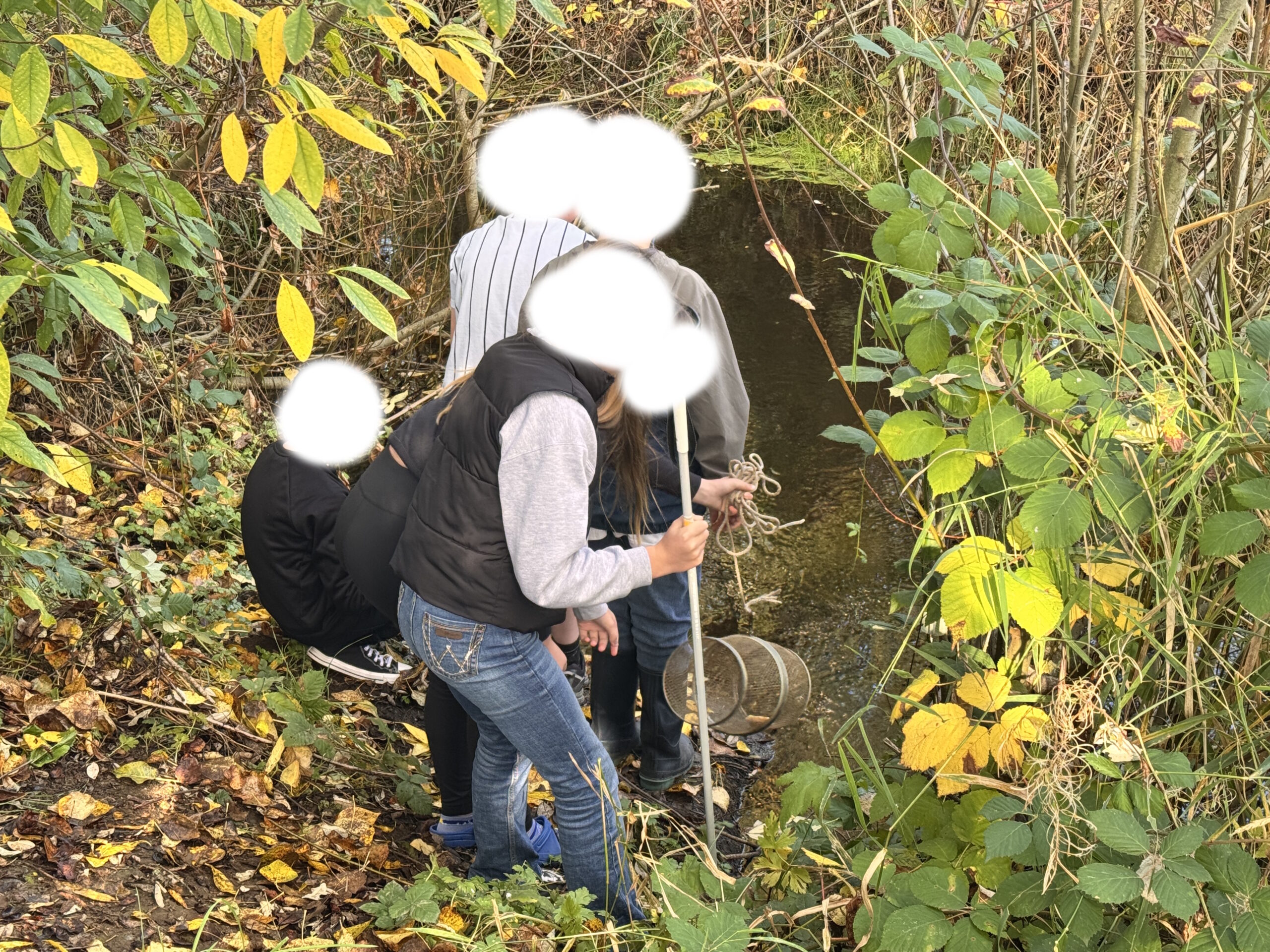
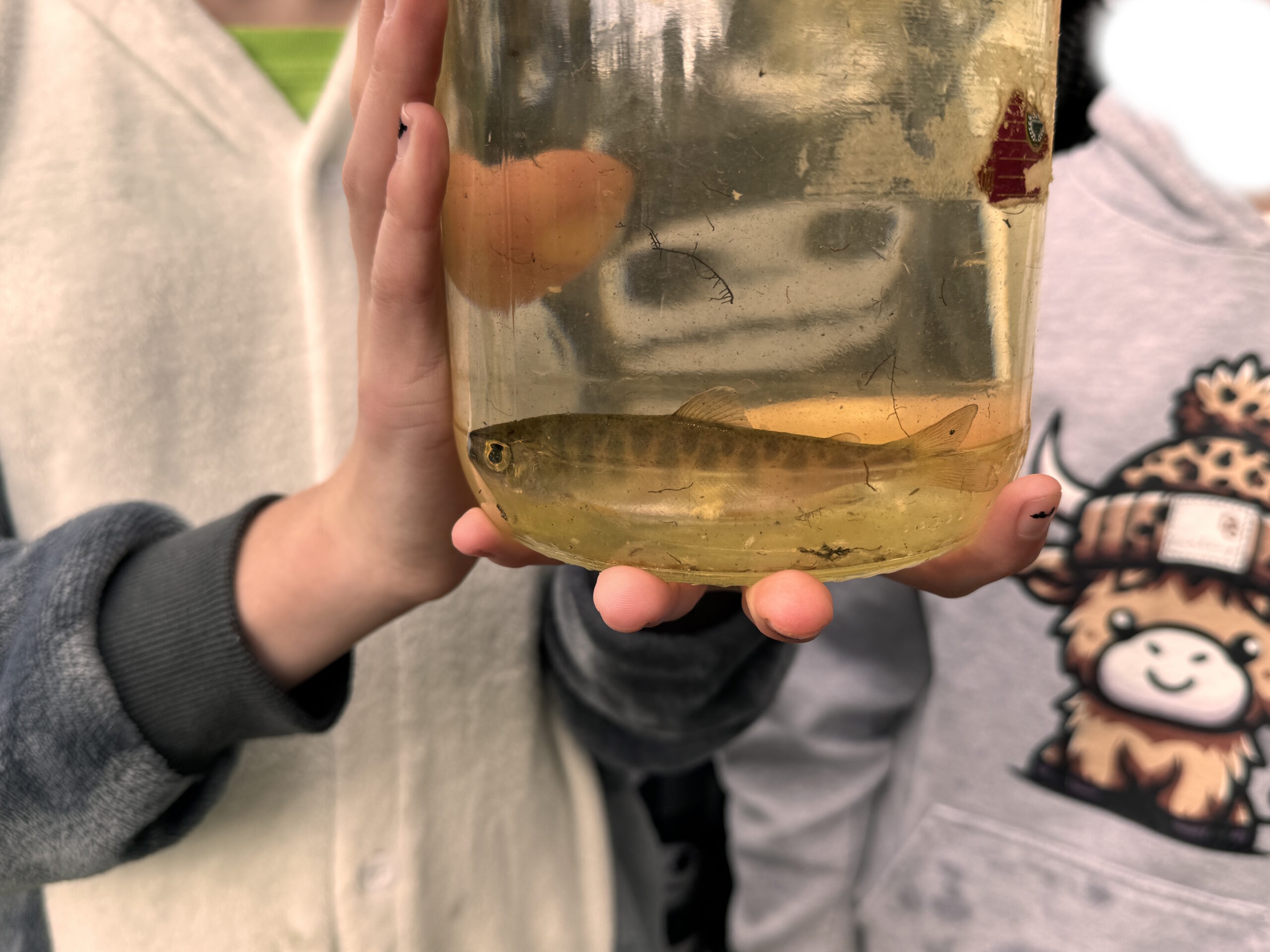
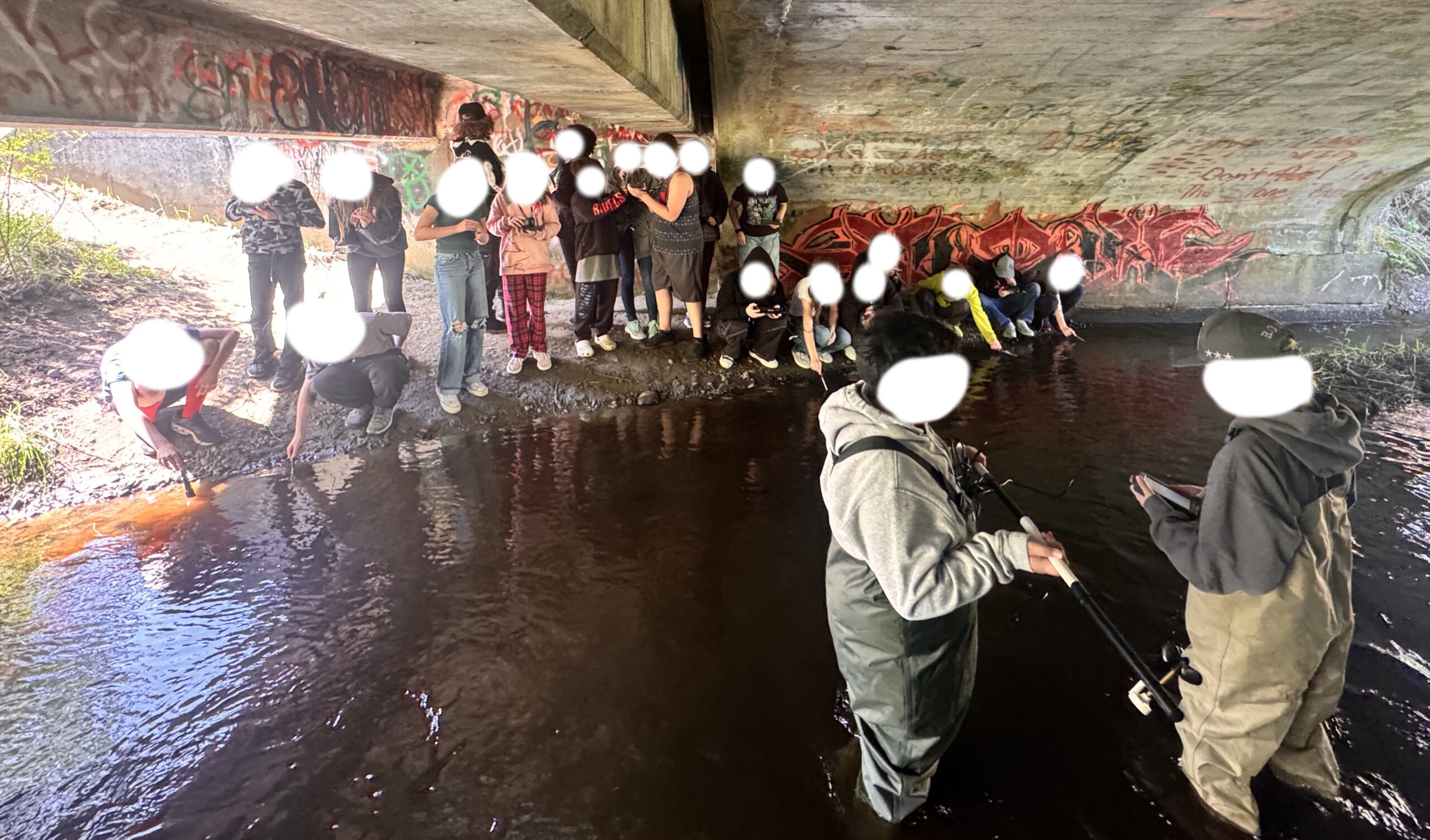
When students collect measurements, graph results, and develop conclusions and recommendations, the science practices have a real purpose. Temperature, dissolved oxygen, and other measurements help us investigate habitat conditions. Students have something local to understand and something worthwhile to communicate. OSPI’s emphasis on outdoor, community-connected science describes the kind of experience this project provides.
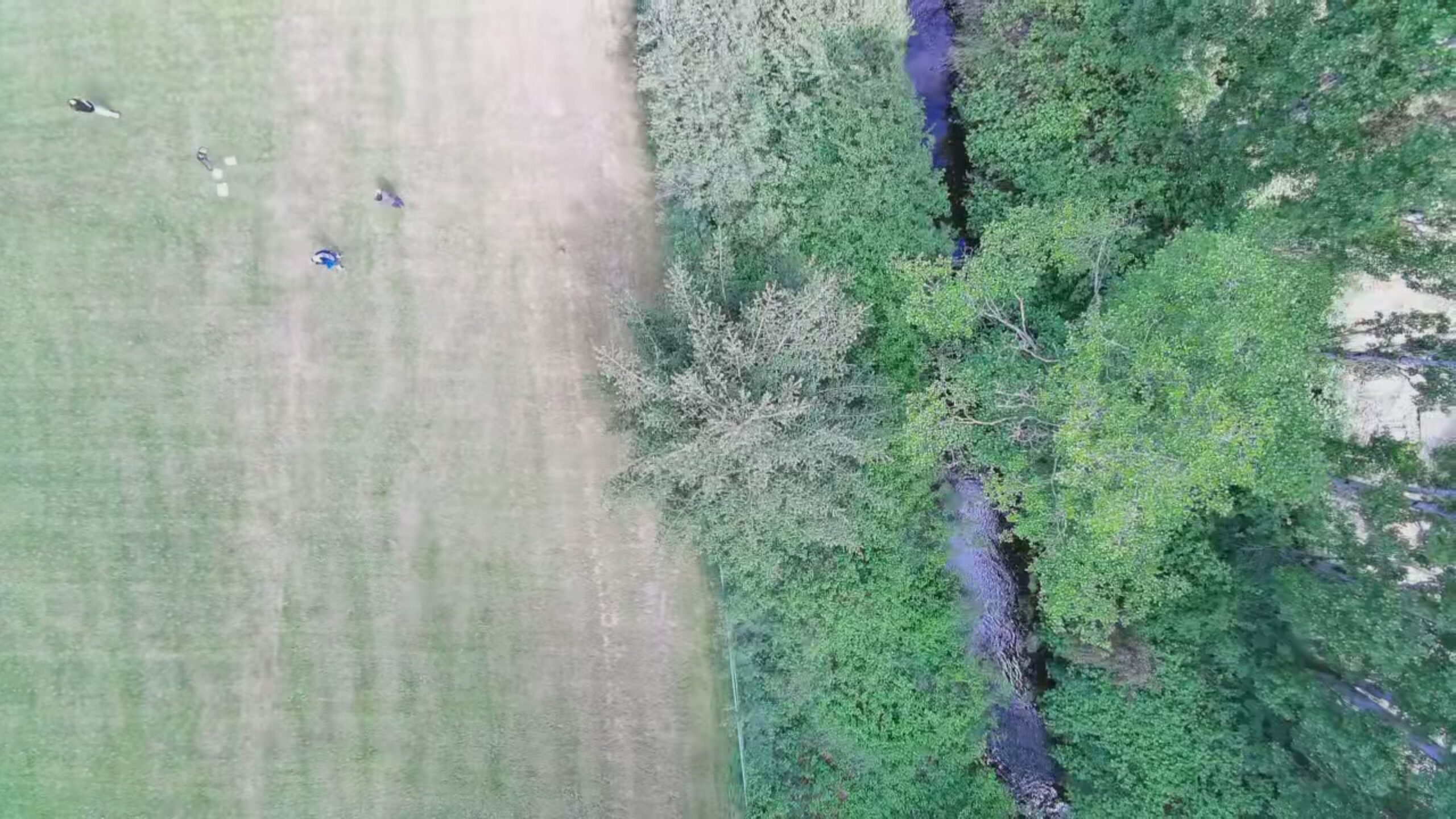
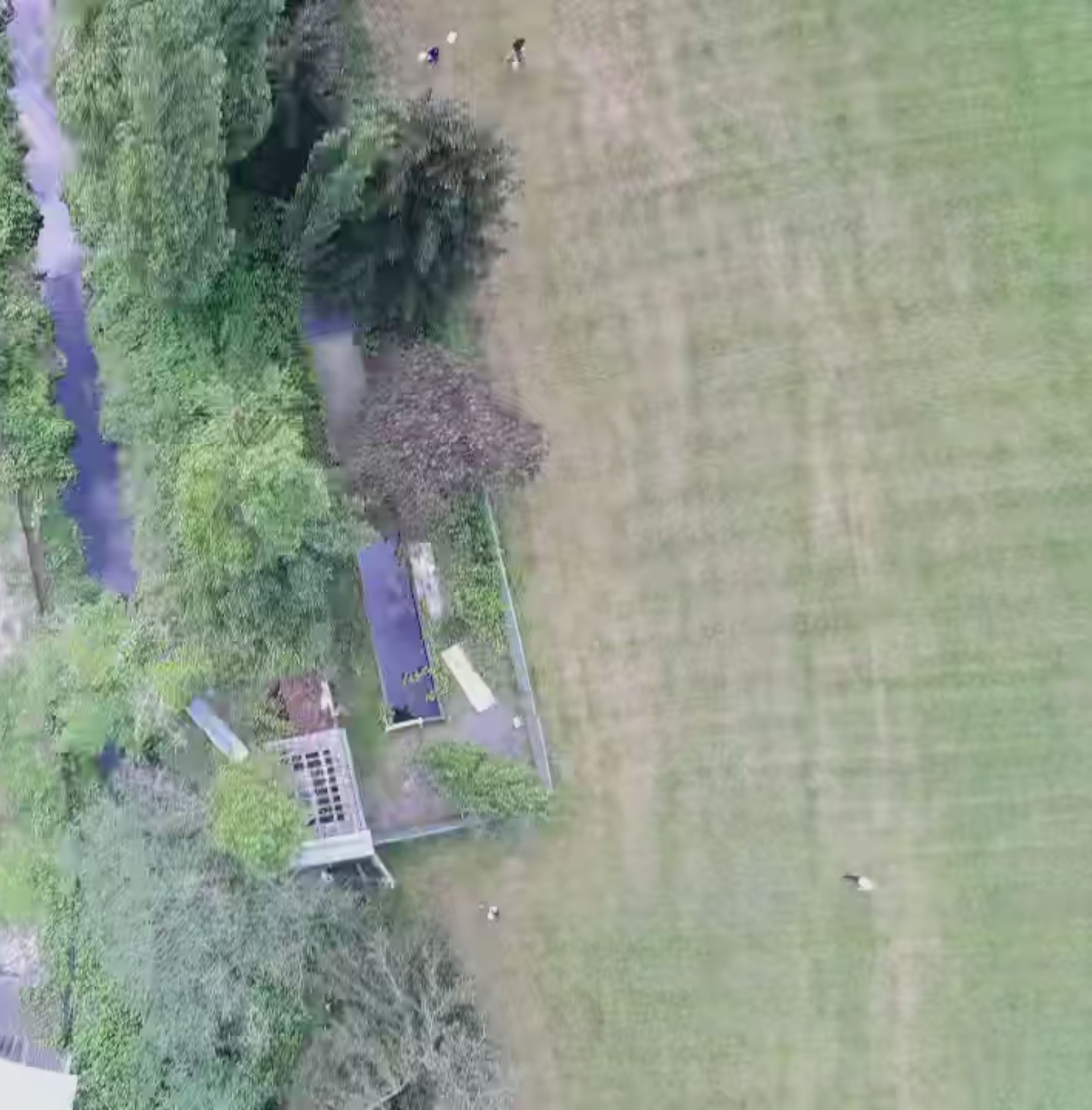
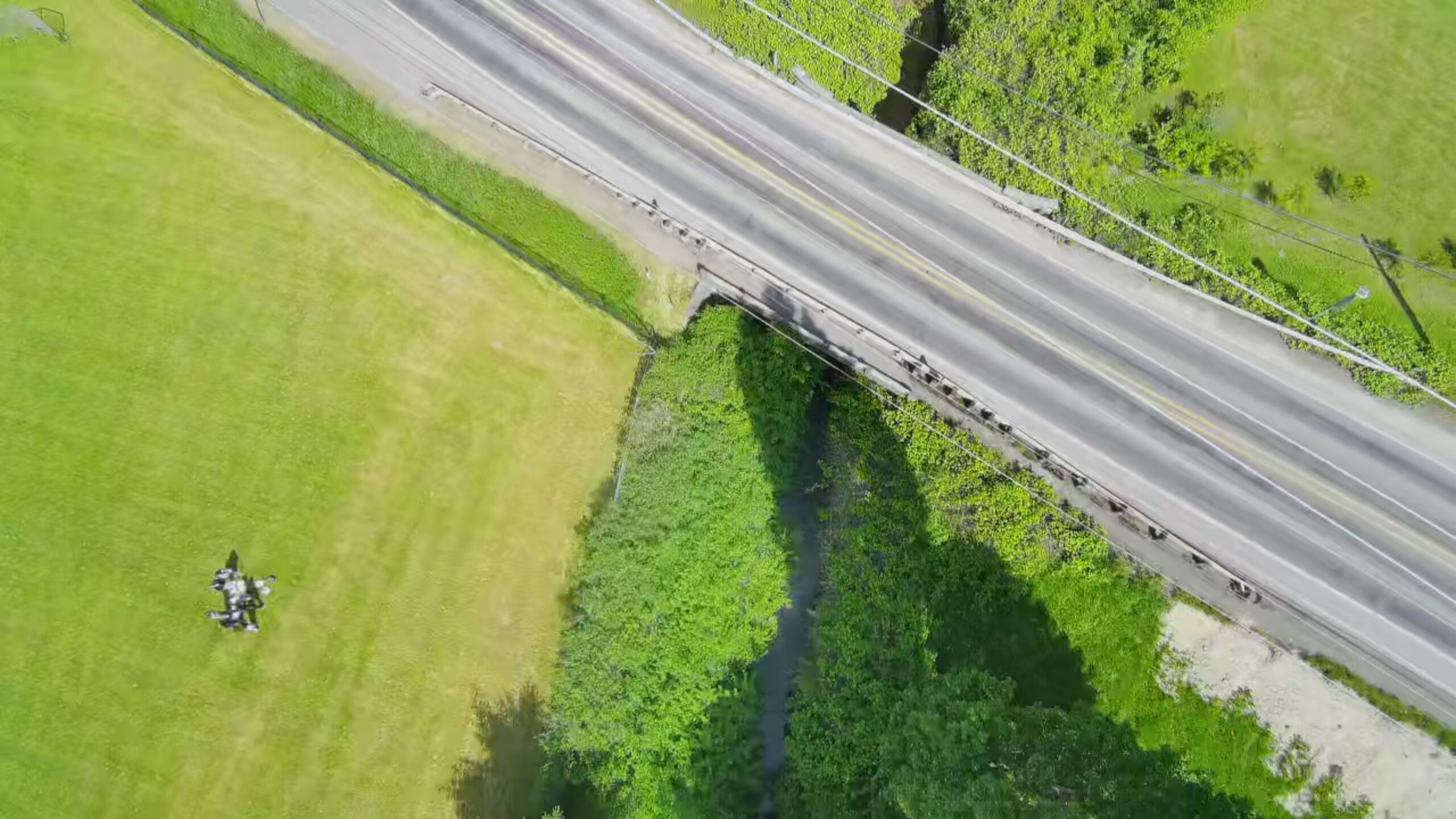
The drones we received through a Friends of Chimacum Schools grant add another perspective. We can photograph our creek section from above and compare that view with what we see close up. That is a connection to the crosscutting concept Scale, Proportion, and Quantity. The larger view and the close view reveal different information about the same place. Neither replaces the measurements we take in the water. Together, they help us think about how the scale of an observation shapes what we can learn.
Climate Learning [CLIM] and Environmental and Sustainability Education [ESE]
While we are doing water-quality testing, we also work through the Our Climate Our Future video lessons. Students take their own notes. I take notes too, and mine serve as an exemplar they can use for support. The lessons address fossil fuels, the greenhouse effect, climate impacts, and possible solutions. This gives our environmental work an explicit climate-learning component.
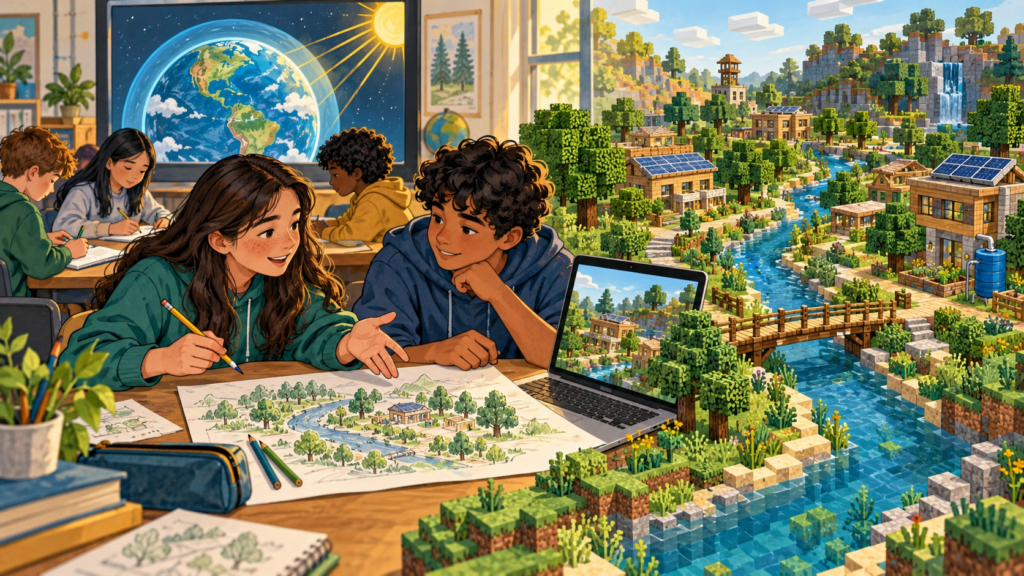
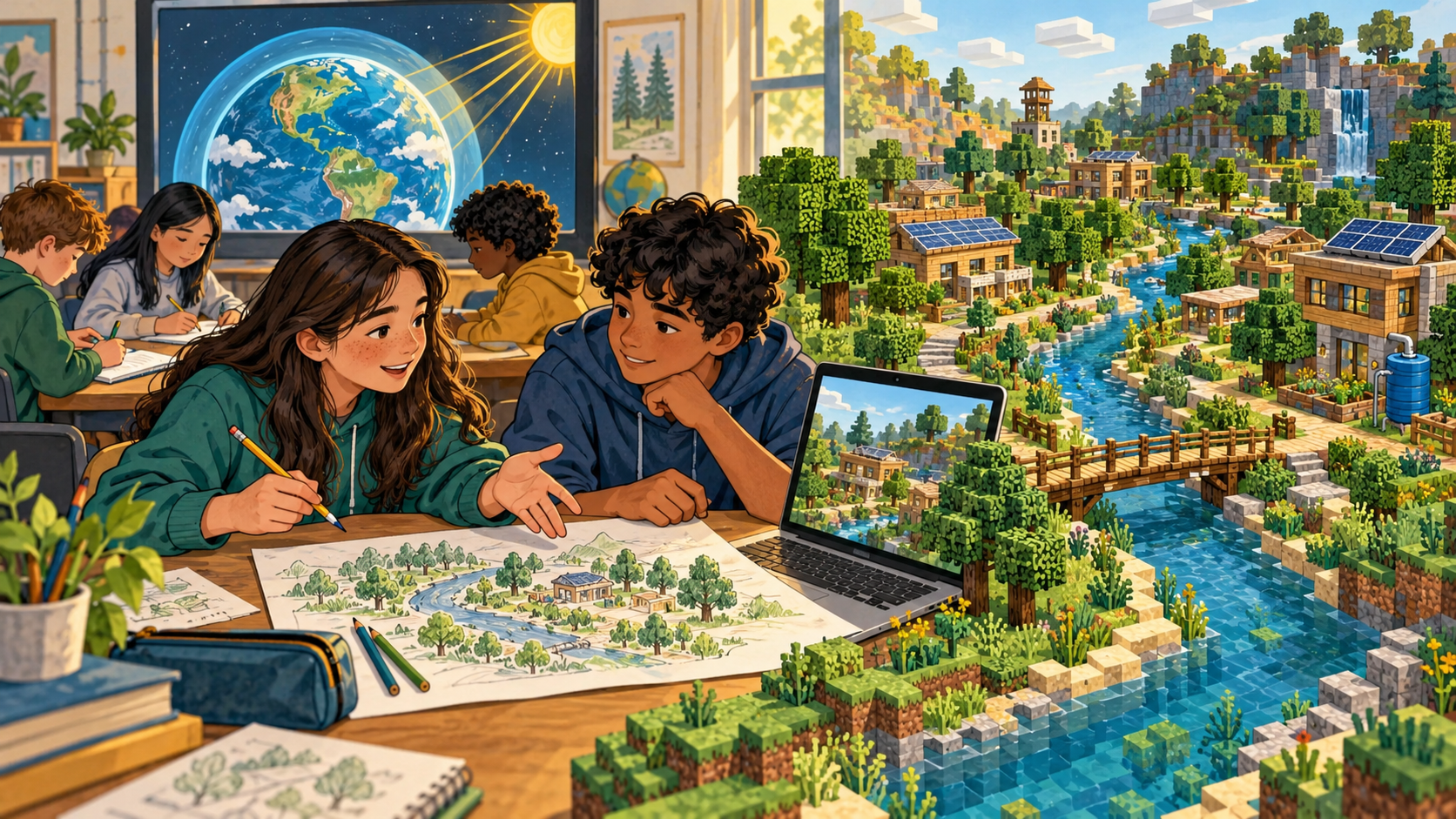
That learning comes before our Peace with Nature Minecraft challenge. Teams research an environmental issue and propose a sustainable solution. After their proposal is approved, they work together to represent the solution in Minecraft. They then create a walkthrough video and explain their design. The build gives them a way to make an idea visible and communicate how they think it could work.
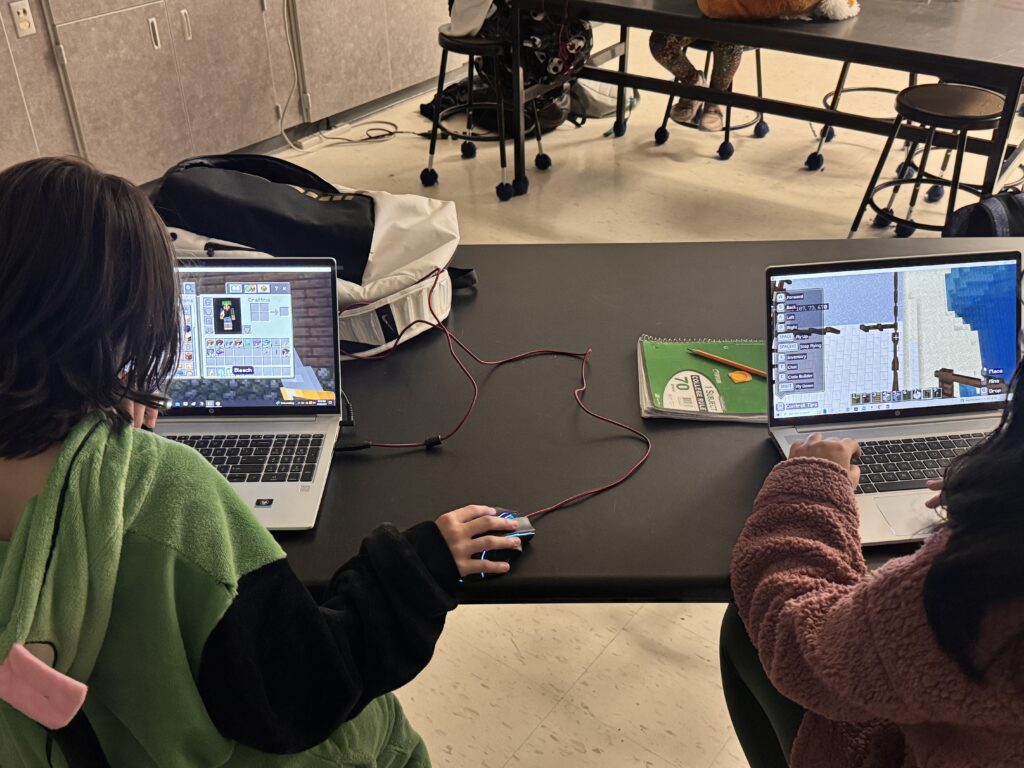
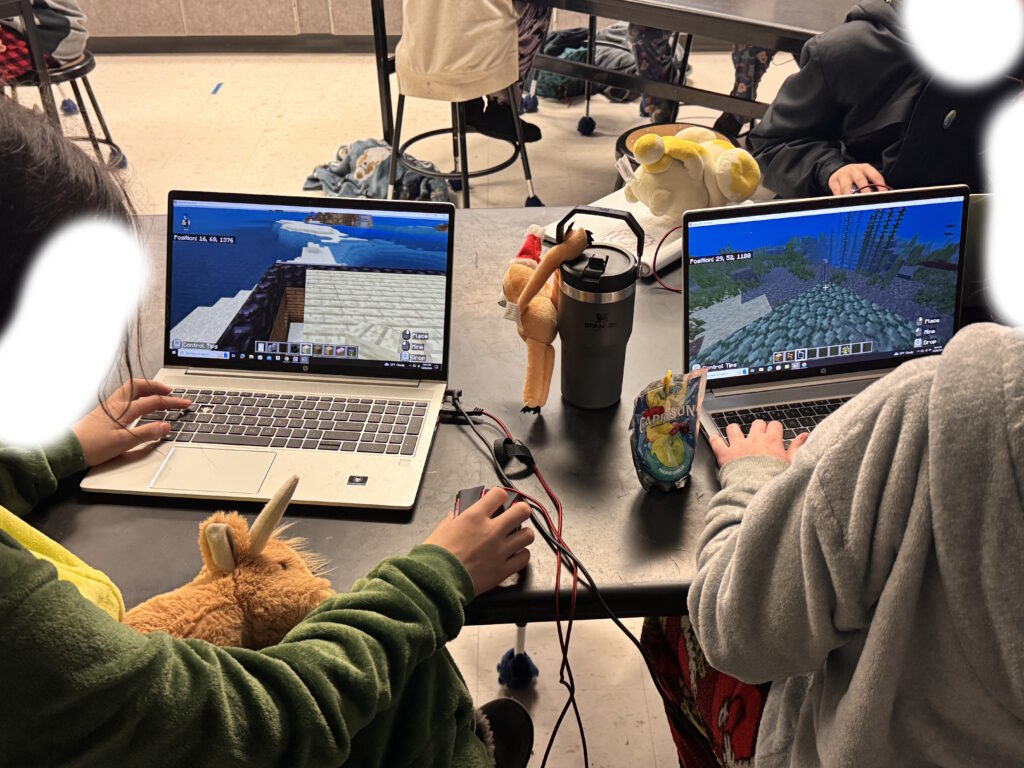
I see a connected program here. Energy ideas from robotics help students think about energy technologies. Climate lessons help them consider why energy choices matter. Creek work connects environmental questions to a place they know. Minecraft gives them a space to represent and explain possibilities. The same ideas return in new contexts, giving students more opportunities to make sense of them.
Our Star Trek classroom story adds another layer. Students see their progress through XP and Starfleet ranks. That is gamification; here is how I vibecoded a gamification site similar to Classcraft. Building and explaining a sustainability solution in Minecraft is game-based learning. Both have a place in my classroom, with different purposes. The story helps make participation inviting; the design challenge gives students something meaningful to create and explain.
Washington’s updates help me explain why I protect time for these experiences. There is science content in the robot designs, the creek measurements, the climate lessons, and the proposed solutions. There are opportunities to investigate, revise an idea, and explain it to someone else. The work brings the dimensions of the standards together.
Students remembering an experience years later tells me it mattered to them. Their explanations, designs, and revisions help me see what they learned. I want both. When I look at the direction OSPI is emphasizing, I see support for continuing to build this kind of science program. These are experiences worth making time for.
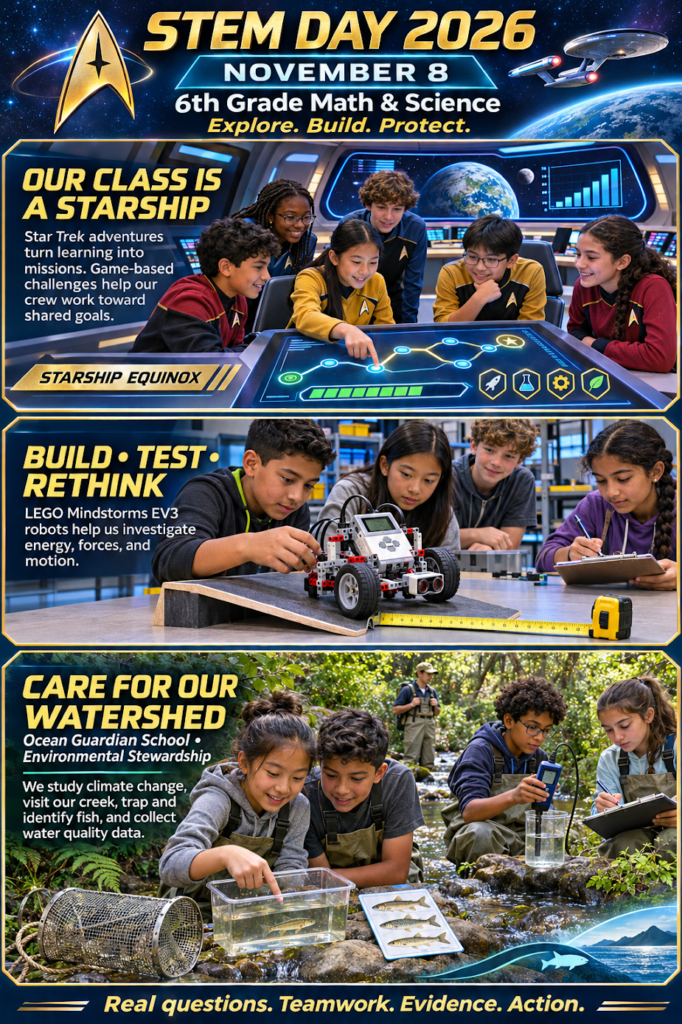
In summary, and to celebrate STEM Day 2026 that just happened on November 8, 2026, I generated the following with ChatGPT: